Get Residential Insulation Service
Residential insulation services help property owners improve comfort, reduce energy loss, and handle projects like attic, wall, or basement insulation with trusted local contractors.
Property owners exploring residential insulation services often seek practical improvements to enhance comfort and energy efficiency within their homes. Whether planning a new construction project, upgrading an existing space, or addressing specific concerns like drafts or uneven temperatures, connecting with experienced local contractors can make a significant difference. This page provides a helpful starting point for comparing options and finding trusted service providers who can assist with the planning and execution of insulation work tailored to individual property needs.
By exploring local insulation service providers, property owners can access a range of expertise and solutions suited to their specific goals. Making informed decisions involves understanding the different types of insulation available, assessing the benefits for your property, and identifying the right professionals to handle the project. Keep reading to discover how local contractors can support your insulation plans and help you achieve a more comfortable, energy-efficient home.
- Attic Insulation - homeowners may need this work when upgrading or replacing old insulation to improve energy efficiency.
- Wall Insulation - this service is often required during home renovations or when addressing drafts and uneven temperatures.
- Cavity Insulation - property owners might seek this work to enhance thermal performance between wall spaces during remodeling projects.
- Basement Insulation - individuals may need this service to prevent heat loss and moisture issues in unfinished or finished basements.
- Soundproof Insulation - residents may look for this work to reduce noise transfer between rooms or from neighboring units.
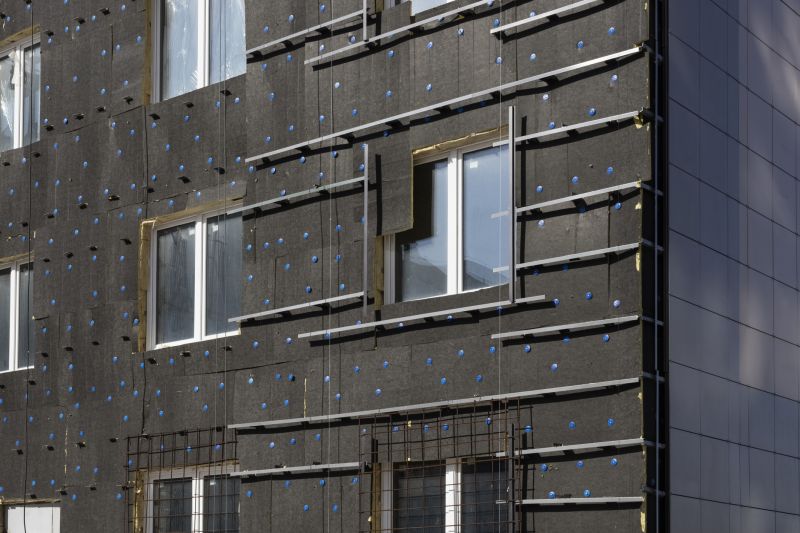
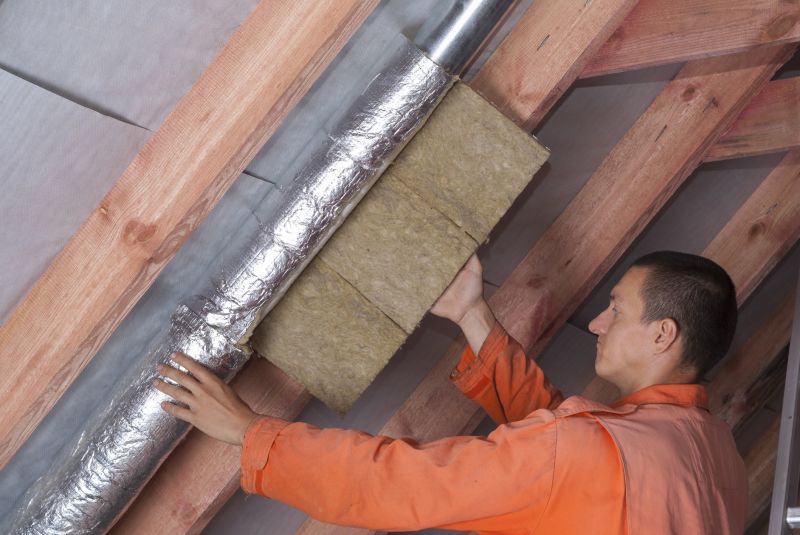
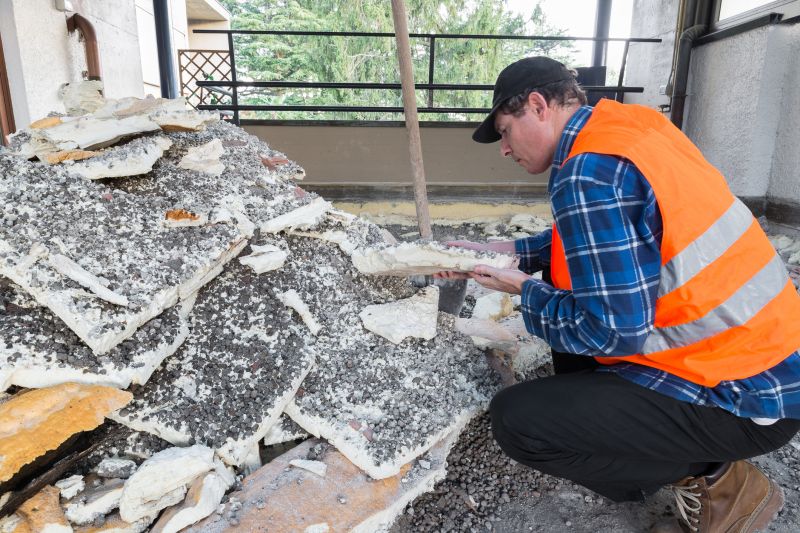
Residential insulation services involve adding or upgrading insulation materials within a home’s walls, attic, floors, and other areas to improve energy efficiency. Proper insulation helps regulate indoor temperatures, keeping homes warmer during the winter and cooler in the summer. Skilled service providers assess the existing insulation and recommend suitable materials and installation techniques to ensure optimal coverage and performance. This process often includes removing old, damaged, or insufficient insulation and replacing it with new, more effective options.
Insulation services are especially valuable in addressing common issues like high energy bills, uneven indoor temperatures, drafts, and noise transfer between rooms. Homes that experience temperature fluctuations or have noticeable drafts often benefit from upgraded insulation. Additionally, properties with older construction or those that have undergone recent renovations may require insulation improvements to meet current comfort standards. Proper insulation can also help prevent issues such as frozen pipes in cold weather or excessive heat gain during hot months.
Many types of residential properties utilize insulation services, including single-family homes, townhouses, and multi-family apartment buildings. New construction projects frequently incorporate insulation as a standard feature, while existing homes may need upgrades due to age or damage. Insulation is also commonly installed in attics, basements, and crawl spaces to enhance overall energy efficiency. Regardless of the property type, a professional insulation service can evaluate specific needs and recommend solutions tailored to the home's design and usage patterns.
Homeowners who notice rising energy costs, uneven heating or cooling, or drafts may find insulation services to be a practical solution. Insulation can also be beneficial when undertaking renovations, finishing basements, or adding new rooms. If a home feels uncomfortable during extreme weather or if there are signs of moisture or mold growth, consulting local contractors about insulation options can help address these concerns. Connecting with experienced service providers ensures that the right insulation solutions are implemented to improve comfort, reduce energy waste, and protect the home’s structure.
The overview below groups typical Residential Insulation Service projects into broad ranges so you can see how smaller, mid-sized, and larger jobs often compare in your area.
In many markets, a large share of routine jobs stays in the lower and middle ranges, while only a smaller percentage of projects moves into the highest bands when the work is more complex or site conditions are harder than average.
Smaller Repairs - typical costs for minor insulation repairs or topping off existing insulation usually range from $250-$600. Many routine jobs fall within this middle range, with fewer projects reaching the higher end of the spectrum.
Partial Attic Insulation - upgrading or adding insulation to specific areas of a home generally costs between $1,000 and $2,500. Larger, more comprehensive projects can go beyond this range, depending on the size and complexity of the space.
Full Home Insulation Replacement - complete removal and replacement of attic or wall insulation often costs from $3,000 to $7,000. Most projects in this tier are on the higher end, especially when dealing with larger or older homes requiring extensive work.
Complex or Large-Scale Projects - very extensive insulation work, such as entire house retrofits or specialized insulation types, can exceed $10,000. These larger projects are less common and tend to involve more complex planning and materials, leading to higher costs.
Actual totals will depend on details like access to the work area, the scope of the project, and the materials selected, so use these as general starting points rather than exact figures.
Attic Insulation Projects - These projects involve installing or upgrading insulation in attics, requiring similar planning and material handling as residential insulation services.
Wall Insulation Installations - Installing insulation within wall cavities shares techniques and tools used in residential insulation to improve thermal efficiency.
Crawl Space Insulation - Insulating crawl spaces involves similar assessment and installation skills as those used in whole-home insulation projects.
Basement Insulation Projects - Enhancing basement insulation requires comparable planning and application methods as standard residential insulation services.
Weatherization Services - These projects focus on sealing and insulating homes to improve energy efficiency, utilizing similar skills as residential insulation work.
Fireproofing and Soundproofing Projects - Applying insulation materials for fire resistance or soundproofing involves comparable material handling and installation techniques.
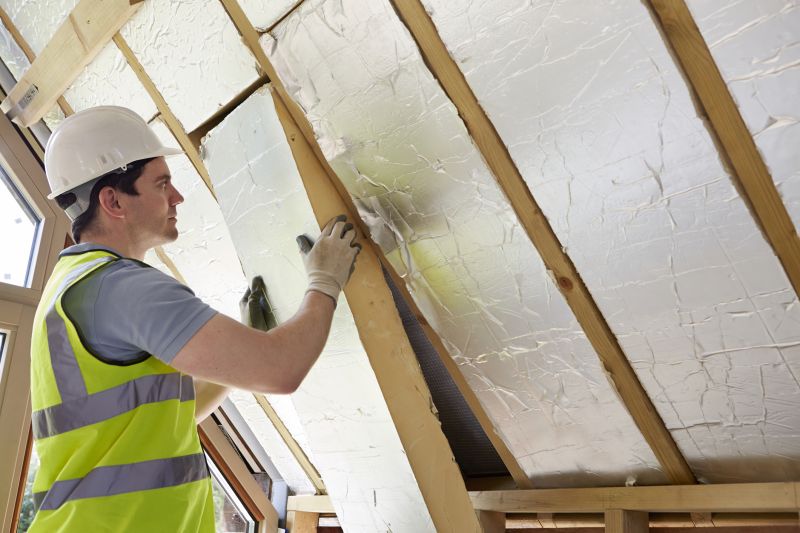
When choosing a residential insulation service provider, it’s important to consider their experience with similar projects. Homeowners should look for local contractors who have a proven track record of handling insulation work comparable to the scope of their own project. An experienced service provider will be familiar with the specific challenges that can arise in different types of homes and will be more likely to deliver quality results efficiently.
Clear, written expectations are essential to ensure that all parties are aligned on the scope and details of the work. Homeowners should seek out service providers who can provide detailed proposals or estimates that outline the work to be performed, materials to be used, and any other relevant specifics. Having this information in writing helps prevent misunderstandings and provides a reference point throughout the project.
Reputable references and good communication are key indicators of a reliable local contractor. Homeowners are encouraged to ask service providers for references from previous clients with similar projects and to verify their reputation within the community. Additionally, clear and open communication throughout the process can help address questions or concerns promptly, contributing to a smoother experience. It’s important to remember that this site introduces homeowners to local options, serving as a resource to connect with qualified service providers rather than performing the work directly.
Property owners use Residential Insulation Service services for practical projects around their homes and businesses. This guide focuses on everyday jobs and straightforward project options.
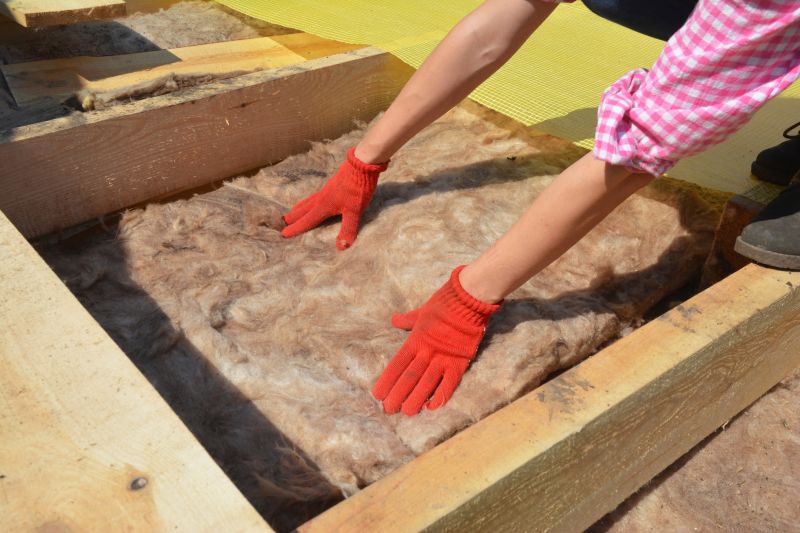
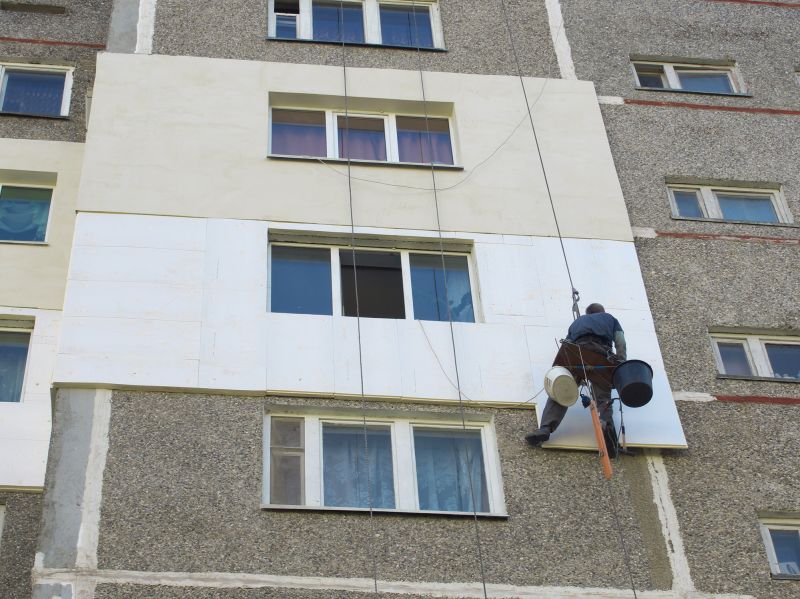
Residential insulation services are often sought after by property owners dealing with drafts, uneven temperatures, or rising energy bills. Whether a homeowner is renovating an older house or building a new one, local contractors can help improve comfort and energy efficiency through proper insulation installation or upgrades. These projects are common when homeowners notice chilly rooms during winter or excessive heat during summer, prompting them to explore insulation solutions that can make their living spaces more comfortable and cost-effective.
Many property owners also consider insulation services when preparing their homes for seasonal changes or addressing noise concerns between rooms. Local service providers can assist with a range of insulation types to suit different needs, helping to maintain consistent indoor temperatures and reduce energy waste. These projects are often straightforward and part of routine home maintenance, making them a popular choice for those looking to enhance their property's overall comfort and efficiency.
What types of insulation services do local contractors provide? Local contractors typically offer a range of insulation services including attic insulation, wall insulation, basement insulation, and crawl space insulation to improve energy efficiency and comfort.
How can insulation improve my home's energy efficiency? Proper insulation helps reduce heat transfer, keeping your home warmer in winter and cooler in summer, which can lead to lower energy bills and increased comfort.
What should I consider when choosing insulation for my home? Factors such as the climate, the part of the home needing insulation, and existing insulation levels can influence the best type of insulation; local service providers can help assess these needs.
Are there different insulation materials available? Yes, common materials include fiberglass, foam board, spray foam, and mineral wool, each with different benefits suited to various parts of a home.
How do local contractors typically install residential insulation? Installation methods vary depending on the type of insulation, but generally involve preparing the area, applying or fitting insulation material, and ensuring proper coverage for maximum effectiveness.
Attic Insulation Installation - Improve energy efficiency and reduce heating and cooling costs by adding insulation to your attic space. Local contractors can help determine the best insulation options for your home.
Wall Insulation Services - Enhance comfort and decrease energy loss by insulating exterior and interior walls during renovations or upgrades. Service providers can handle both retrofit and new construction projects.
Crawl Space Insulation - Protect your home from drafts and moisture issues by insulating crawl spaces effectively. Local pros can recommend suitable insulation materials for your specific foundation type.
Basement Insulation Solutions - Create a more comfortable living area or storage space by insulating basement walls and floors. Contractors can assist with installation that helps maintain consistent indoor temperatures.
If you are thinking about Residential Insulation Service for a property, this guide is meant to help you understand the work, the typical project types, and how different options might fit your plans.
When you are ready, you can use the quote form on this page to share a few details about your project. From there, local pros can review the basics and respond with options that match what you have in mind.