Get Rolled Insulation Service
Rolled Insulation Service helps property owners improve energy efficiency and comfort by providing expert installation for attics, walls, or crawl spaces.
Rolled insulation services are a practical solution for property owners looking to improve energy efficiency and enhance comfort within their buildings. Whether planning a new construction project or upgrading an existing space, understanding the benefits of proper insulation can help in making informed decisions. Local contractors specializing in rolled insulation can provide guidance tailored to the specific needs of the area, ensuring that the work aligns with regional building standards and climate considerations.
Exploring options for rolled insulation is a common step for property owners aiming to optimize their property's performance. Comparing local service providers allows for evaluating different approaches and expertise available within the community. Continuing to read can help identify how local contractors can assist in achieving effective insulation solutions that contribute to long-term value and energy savings.
- Attic insulation - homeowners seeking to improve energy efficiency may need this work to reduce heating and cooling costs.
- Basement insulation - property owners looking to prevent heat loss and moisture issues might require this service.
- Wall cavity insulation - builders or renovators aiming to enhance thermal performance in existing or new walls may contact local contractors.
- Attic hatch or access insulation - those wanting to seal gaps and improve overall insulation in accessible attic areas might need specialized services.
- Soundproofing insulation - individuals aiming to reduce noise transfer between rooms or from outside may seek rolled insulation installation.
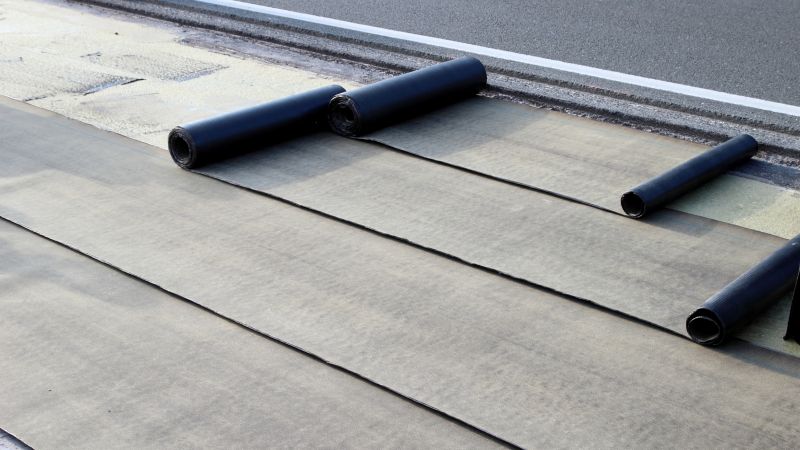
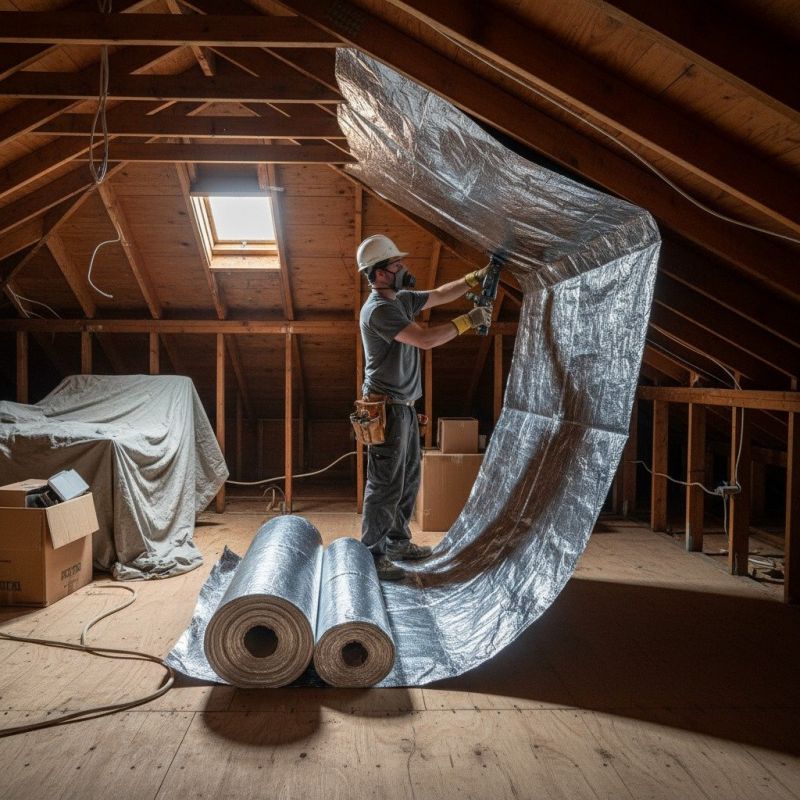
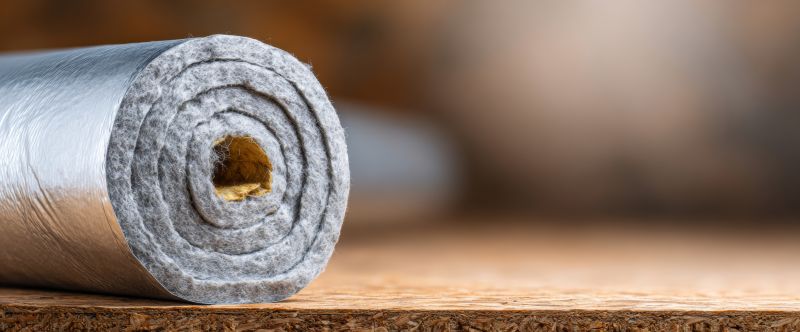
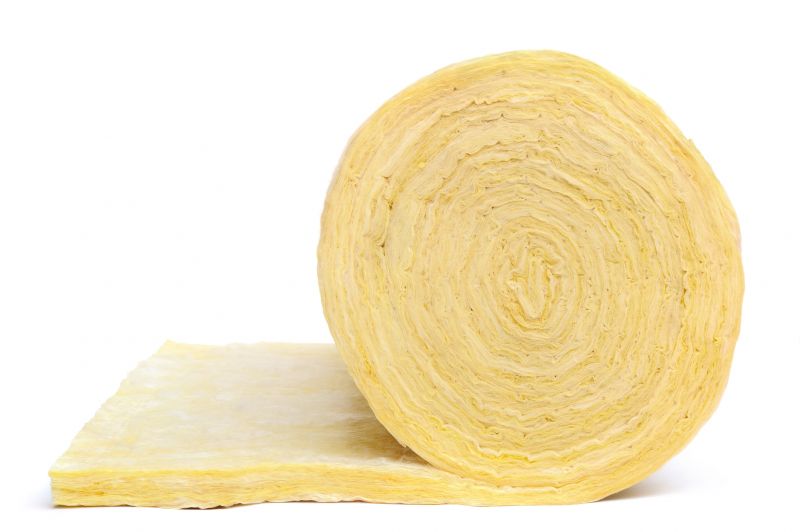
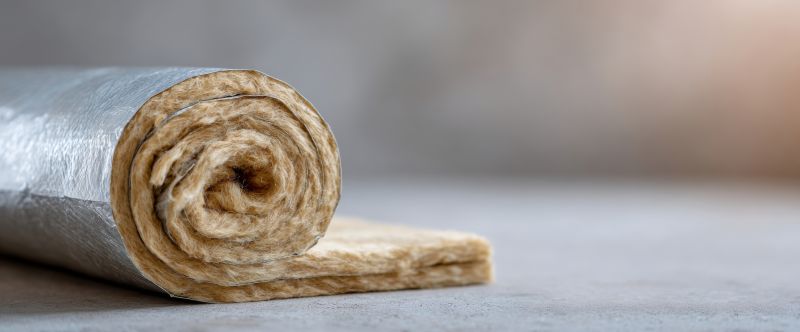
Rolled insulation services involve the installation of large rolls or batts of insulating material to improve a building’s thermal performance. This type of insulation is typically made from materials like fiberglass, mineral wool, or foam, which are delivered in pre-cut sections that are easy to handle and install. The process generally includes measuring the space, cutting the insulation to fit, and placing it between wall studs, ceiling joists, or floor joists to create a barrier that reduces heat transfer. This method is a straightforward and effective way to enhance energy efficiency and comfort within a property.
One of the primary problems rolled insulation helps address is energy loss through poorly insulated walls, attics, or floors. Without proper insulation, homes can become drafty and uncomfortable, leading to increased heating and cooling costs. Rolled insulation also helps reduce noise transmission between rooms and from outside sources, making indoor spaces quieter and more peaceful. Additionally, it can prevent issues related to moisture buildup and mold growth by providing a barrier that manages humidity levels, especially in areas prone to dampness.
Properties that often benefit from rolled insulation include single-family homes, multi-family residences, and light commercial buildings. Homes with unfinished attics or walls that need better thermal barriers are common candidates. Older properties that were built before modern insulation standards may require upgrades to improve energy efficiency and indoor comfort. Commercial spaces, such as small offices or retail shops, can also use rolled insulation to control temperature and sound, creating a more functional environment for occupants and customers.
Homeowners who notice drafts, uneven temperatures, or rising energy bills may find rolled insulation services to be a practical solution. It is also suitable for those undertaking renovation projects or adding new rooms where existing insulation is inadequate or missing. By connecting with local contractors experienced in rolled insulation, property owners can ensure the work is performed correctly and efficiently, helping to create a more comfortable and energy-efficient living or working space.
The overview below groups typical Rolled Insulation Service projects into broad ranges so you can see how smaller, mid-sized, and larger jobs often compare in your area.
In many markets, a large share of routine jobs stays in the lower and middle ranges, while only a smaller percentage of projects moves into the highest bands when the work is more complex or site conditions are harder than average.
Smaller Repairs - Typical costs for minor insulation repairs or topping up existing insulation generally range from $250-$600. Many routine jobs fall within this middle range, with fewer projects reaching the higher end depending on the scope.
Partial Insulation Replacement - Replacing sections of insulation in a specific area usually costs between $600-$2,000. Larger, more complex partial replacements can push costs higher, but most projects stay within this moderate range.
Full Attic Insulation Installation - Complete attic insulation services often cost between $1,500-$4,000. Many homeowners choose this option, with costs varying based on attic size and insulation type, though larger projects can exceed this range.
Whole-Home Insulation Overhaul - Comprehensive insulation upgrades for an entire home can range from $4,000-$10,000 or more. While most projects fall into the middle of this spectrum, extensive or high-end insulation systems can increase the overall cost.
Actual totals will depend on details like access to the work area, the scope of the project, and the materials selected, so use these as general starting points rather than exact figures.
Attic Insulation Installation - local contractors who specialize in installing various insulation types can often handle attic insulation projects similar to rolled insulation services.
Wall Insulation Projects - professionals experienced in insulating interior or exterior walls may use comparable techniques and tools as those used for rolled insulation applications.
Basement Insulation Services - experts who work on insulating basement walls and floors often have skills aligned with installing rolled insulation materials.
Vapor Barrier Installation - service providers familiar with moisture control and barrier setup can handle projects that involve insulating with a focus on vapor retarders.
Soundproofing Insulation - local pros skilled in adding insulation for soundproofing purposes often use similar materials and installation methods as rolled insulation services.
Roof Deck Insulation - contractors experienced in insulating roof decks may perform work that requires similar planning and handling of rolled insulation materials.
When comparing service providers for rolled insulation projects, it’s important to consider their experience with similar types of work. Homeowners should look for local contractors who have a proven track record of handling projects comparable in scope and complexity. This experience can often translate into a smoother process, fewer surprises, and a better understanding of best practices for insulation installation. By reviewing the backgrounds of different providers, homeowners can gain confidence that the chosen professional understands the nuances of insulation work and is equipped to deliver quality results.
Clear, written expectations are essential when selecting a service provider. Homeowners should seek out local contractors who can provide detailed descriptions of their services, the scope of work, and any relevant processes or standards. Having this information in writing helps ensure everyone is aligned on what will be done, reducing misunderstandings or miscommunications. It’s also beneficial to ask for reputable references or reviews from previous clients, as these can offer insights into the contractor’s reliability, professionalism, and the quality of their work.
Effective communication is a key factor in a successful project. Homeowners should prioritize local service providers who are responsive, transparent, and willing to answer questions throughout the process. Good communication helps establish trust and ensures that any concerns are addressed promptly. While the site introduces homeowners to a variety of local options, it’s important to remember that the actual work will be performed by the selected contractor. Taking the time to compare these aspects-experience, clear expectations, references, and communication-can help homeowners make informed decisions and find a professional suited to their rolled insulation needs.
Property owners use Rolled Insulation Service services for practical projects around their homes and businesses. This guide focuses on everyday jobs and straightforward project options.
Rolled insulation services are often sought after by property owners looking to improve energy efficiency in their homes or buildings. Whether someone is renovating an older property, adding insulation to a new construction, or upgrading existing insulation to better regulate indoor temperatures, local contractors can provide the expertise needed to complete these projects effectively. Property owners may also consider this work to help reduce utility bills or to enhance overall comfort during extreme weather conditions.
Many property owners turn to local service providers for rolled insulation when tackling projects such as attic insulation upgrades, basement insulation, or insulating walls during remodeling. These projects are common in areas with changing seasons or older buildings that may lack sufficient insulation. Connecting with experienced local contractors can help ensure the job is done correctly, providing a more consistent and reliable solution for maintaining a comfortable indoor environment.
What is rolled insulation used for? Rolled insulation is commonly used to insulate attics, walls, and floors to improve energy efficiency and temperature regulation in a building.
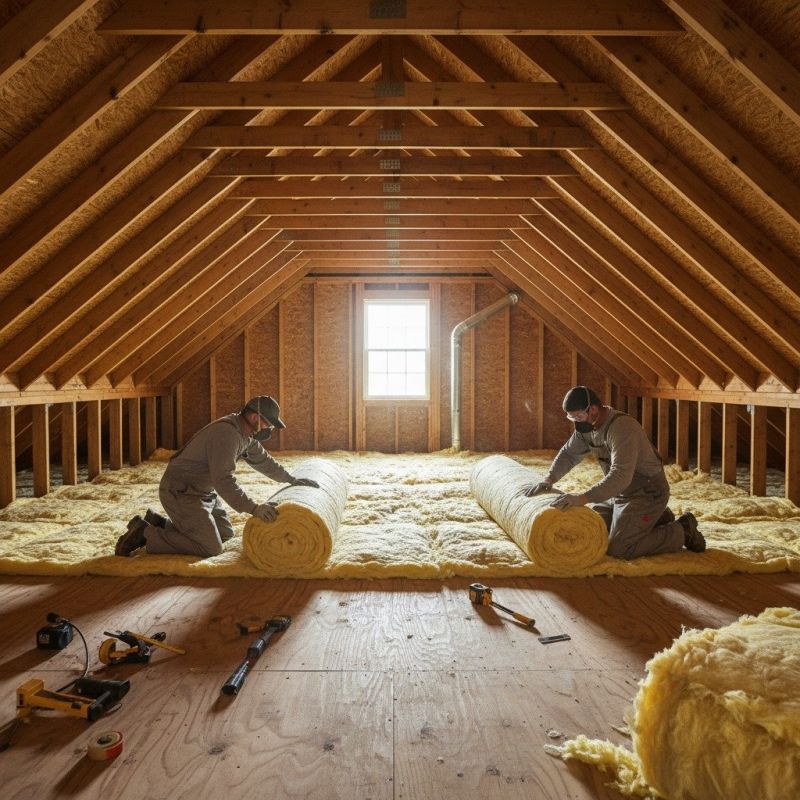
How is rolled insulation installed? Local contractors typically install rolled insulation by unrolling it between wall studs, attic joists, or floor beams, ensuring a snug fit without compression.
What types of materials are available for rolled insulation? Common materials include fiberglass, mineral wool, and cellulose, each offering different insulation properties suited for various applications.
Can rolled insulation be customized for different spaces? Yes, local service providers can cut and fit rolled insulation to match specific space dimensions and requirements.
Is rolled insulation suitable for all climates? Rolled insulation can be effective in many climates, but local contractors can recommend the best type and installation method based on regional conditions.
Improve attic insulation - property owners can enhance energy efficiency by adding rolled insulation to their attic spaces.
Seal drafts in walls and floors - using rolled insulation helps reduce air leaks around windows, doors, and floorboards.
Upgrade basement insulation - installing rolled insulation can make basements more comfortable and help prevent heat loss.
Insulate exterior walls - adding rolled insulation to exterior walls can improve overall comfort and reduce heating and cooling costs.
If you are thinking about Rolled Insulation Service for a property, this guide is meant to help you understand the work, the typical project types, and how different options might fit your plans.
When you are ready, you can use the quote form on this page to share a few details about your project. From there, local pros can review the basics and respond with options that match what you have in mind.